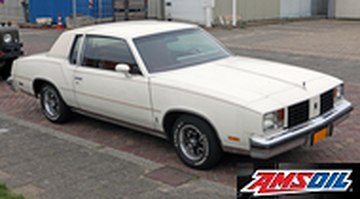
Maintaining Lubrication Integrity for the 1980 Oldsmobile CUTLASS 5.7L
Proper engine maintenance for a vehicle of this era requires a proactive approach to fluid management and component inspection. For an owner of a 1980 Oldsmobile CUTLASS equipped with the 5.7L engine, staying ahead of potential issues involves more than just following a calendar; it requires a keen eye for how the mechanical systems are behaving under various operating conditions.Monitoring Fluid Condition and Potential Leaks
One of the most effective ways to monitor the health of the 5.7L engine is through regular visual inspections of the engine bay and the ground beneath the vehicle. Over time, various seals and gaskets may experience changes in their ability to contain fluids. When performing routine checks, look for signs of seepage or active dripping around the engine block and accessory mounting points. If you notice fresh fluid accumulating on the underside of the oil pan or near the rear of the engine, it warrants a closer investigation. It is important to note that a visible stain does not always indicate a catastrophic failure; however, identifying small amounts of seepage early can help prevent more significant issues later. Additionally, checking the appearance of the oil itself during a dipstick inspection can provide clues. While oil naturally darkens with use, an extremely thin consistency or a milky appearance could indicate contamination that should be addressed immediately.Observing Operational Warning Signs
Maintaining a 1980 Oldsmobile CUTLASS involves learning the specific "language" of its engine. Changes in how the vehicle operates can often serve as early indicators that something requires attention. For instance, if you notice an unusual odor during or after operation, it may indicate that fluid is contacting a hot surface. Such occurrences should be investigated to identify the source of the fluid. Changes in mechanical noise are also significant. While some level of engine noise is expected, any new or rhythmic tapping, knocking, or grinding sounds should not be ignored. Similarly, if you observe changes in exhaust characteristics—such as smoke that appears differently than it has in the past—this can be associated with various internal or external factors. Because many different mechanical issues can produce similar symptoms, these signs should be treated as prompts for a professional diagnostic inspection rather than definitive proof of a specific part failure.Prioritizing Long-Term Engine Care
As vehicles age, maintenance strategies often shift from purely preventive to condition-based. For the 1980 Oldsmobile CUTLASS, this means using the current physical state of the engine to dictate service priorities. If you are stepping into ownership of this vehicle without a complete service history, establishing a baseline is a logical first step. This involves performing a thorough inspection of all fluids, belts (if equipped), and hoses to determine their current condition. When maintenance records are incomplete, do not feel pressured to replace every aging component immediately. Instead, focus on addressing active concerns—such as identified leaks or noticeable changes in fluid consumption—before moving on to broader preventive measures. Keeping a detailed log of when fluids are changed, which products are used, and any observed irregularities will become an invaluable tool for managing the vehicle's longevity. This documentation helps distinguish between necessary repairs and unnecessary parts replacement, ensuring that maintenance efforts are targeted where they are most effective.Inspecting Peripheral Engine Components
Beyond the lubrication system, several other components play a role in the overall health of the 5.7L engine environment. If equipped, accessible drive belts should be inspected for signs of wear such as cracking, glazing, or fraying. Similarly, if the vehicle is equipped with various hoses, checking them for softness, brittleness, or bulging can prevent unexpected cooling or vacuum issues. Electrical connections and wiring harnesses also deserve attention. Over decades, heat cycles and vibration can affect the integrity of connectors. Ensuring that electrical components are secure and free from significant corrosion helps maintain stable engine operation. By combining these peripheral checks with regular oil monitoring, an owner can develop a comprehensive understanding of the vehicle's mechanical status.Managing Fluid Integrity and Contamination
The effectiveness of any lubrication system depends heavily on the cleanliness of the fluid. Engine oil is responsible for more than just reducing friction; it also assists in managing heat and helps prevent the buildup of deposits within the engine. When oil becomes heavily contaminated by combustion byproducts or other particulates, its ability to protect internal components can diminish. If you notice that the vehicle has been subjected to heavy idling or short trips where the engine does not reach full operating temperature, it is wise to monitor the oil more closely. These conditions can sometimes influence how contaminants interact with the lubricant. Maintaining a consistent service routine ensures that the oil remains capable of performing its essential roles without being compromised by sludge or other deposits.Practical Advice for Buying Engine Oil for your 1980 Oldsmobile CUTLASS 5.7L
When it is time to replenish your engine's lubrication, the most critical step is ensuring the product matches the specific requirements of your application. Because different engines and operating environments have unique needs, you should not rely on general assumptions about what an older vehicle might require. To ensure a correct match, always refer to the vehicle-specific oil viscosity and application information provided on this webpage. Before finalizing your purchase, check the product labeling to confirm it meets the necessary standards for your engine. Depending on your specific needs and the current condition of your engine, you may encounter various options, including:- Conventional formulations
- Synthetic blends
- Full synthetic oils
- High-mileage formulations, which some contain additives intended for use in aging engines or include seal-conditioning additives